
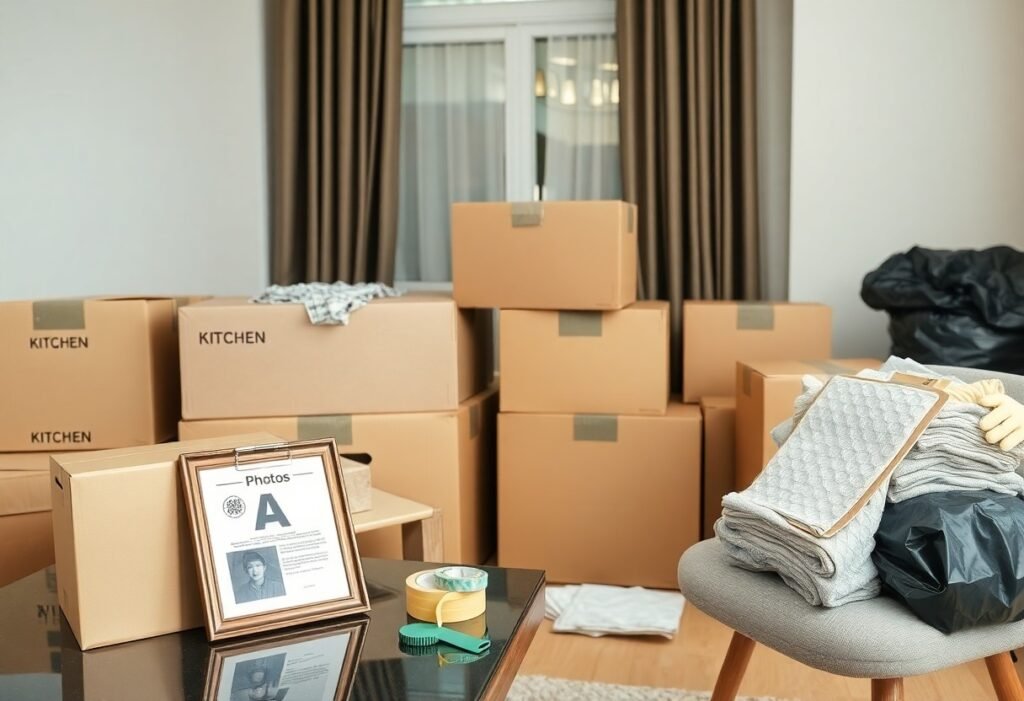
Many people freeze at the front door, overwhelmed by the weight of memory and the sheer volume of belongings inside. You are not just sorting objects, you are making decisions shaped by grief, history and legal responsibilities. The first step is not a checklist, but a mindset: this process will demand emotional stamina as much as physical effort. Some items may have unexpected financial value, while others carry irreplaceable sentimental weight. Approaching it with structure can prevent costly mistakes or irreversible regrets.
The Strategy of the Threshold
Selecting the point of entry
Begin at a doorway that feels emotionally manageable, such as a sunlit front porch or a quiet side garage. This initial step sets the tone-choosing a neutral space helps you acclimate without immediate exposure to high-sentiment areas. Starting in a low-pressure zone supports clearer decision-making when heavier rooms follow.
The necessity of the time limit
Set a firm boundary of no more than two hours for the first visit. Emotional fatigue impairs judgment, and prolonged exposure can lead to overwhelm. Respecting this limit protects your mental clarity and preserves energy for future sessions.
Extended time in the home often results in decision paralysis, especially when confronting personal items like photographs or handwritten letters. A mid-sized SaaS firm executive once shared how a five-hour first attempt left her unable to return for six weeks. Short, structured intervals prevent emotional burnout and create sustainable progress over multiple visits.
The Inventory of Absence
Confronting an emptying home begins with acknowledging what’s no longer present. The absence of your loved one shapes every room, every drawer. Objects gain weight not from material but memory, and recognizing this emotional gravity helps you move through the space with intention. What feels like clutter may be a silent record of a life lived.
Separating the relic from the trash
Some items carry invisible inscriptions only you can read. A chipped mug, a ticket stub, a worn jacket-these aren’t relics because of value but because they anchor moments. Discarding them isn’t careless; keeping everything is paralyzing. Trust your instinct: if it sparks a clear memory, it may belong in preservation, not the bin.
The logistics of the three piles
Create three clear categories: keep, donate, discard. Use labeled bins or zones in the home to avoid confusion. Mixing decisions leads to second-guessing and delays. Handle one room at a time, and never sort when emotionally drained. Physical separation prevents emotional backsliding.
Assign each pile a destination early. The keep pile should have limited space-boxes in a basement or closet, not an open-ended storage unit. Donation items go to a pre-selected organization with pickup availability, reducing the burden of transport. Discard items include broken goods, expired medications, and mold-damaged belongings; biohazards require special disposal to protect your health. A mid-sized SaaS firm managing remote teams might use digital tools for coordination, but here, paper lists and colored stickers often work faster.
The Bureaucracy of Loss
Handling a loved one’s estate often begins not with sentiment, but with paperwork. Legal and financial obligations must be addressed before any personal items can be sorted, and delays can complicate probate, tax filings, or property management. Acting promptly ensures compliance and reduces the risk of penalties or disputes down the line.
Locating the necessary papers
Finding the will, trust documents, or power of attorney is your first legal priority. These papers often reside in a home safe, filing cabinet, or with an attorney. If the person used a financial advisor or estate planner, contacting them directly may save hours of searching through personal effects.
Managing the immediate logistics
Securing the property, forwarding mail, and notifying banks protect against fraud and deterioration. Freezing utilities or canceling subscriptions prevents unnecessary charges, while changing locks ensures only authorized individuals access the home during transition.
Utility companies typically require a death certificate and proof of executor status before transferring accounts. Arrange for regular mail forwarding through the post office to intercept important correspondence. If the home remains unoccupied, consider temporary security measures like motion-sensor lighting or a monitored system, especially if valuable items are still inside. A mid-sized SaaS firm managing estate logistics reported that unresolved mail issues led to identity theft in nearly 1 in 5 cases they reviewed, underscoring the importance of swift action.
The Intimacy of the Kitchen
Every decision you make in the kitchen carries the echo of routine and care, from the chipped mug used every morning to the spice jar with handwriting on the label. This space holds the most frequent gestures of daily life, making it one of the hardest rooms to sort through with clarity and compassion.
Clearing the perishable history
Start by emptying the pantry and fridge, where forgotten jars and dried-up condiments linger long past their use. Mold and spoilage can appear within days, especially in overlooked corners, so dispose of anything expired or unidentifiable to prevent odors or pests.
The weight of the everyday
Each utensil drawer and cabinet reveals patterns of use, from the well-worn knife to the teacup reserved for Sunday mornings. These objects feel heavier not because of their material mass but because they embody repetition, comfort, and presence-qualities that make parting with them quietly painful.
Recognizing the emotional load in ordinary items means allowing yourself pauses between tasks. The chipped cereal bowl, the mismatched silverware, the recipe card with flour stains-these are not clutter. They are physical records of a lived rhythm, and sorting them demands patience, not speed.
The Distribution of Belongings
Deciding what to keep, gift, sell, or discard requires clear communication and emotional awareness. Family tensions often surface around sentimental items, so establishing a fair process early helps prevent conflict. Consider written notes from your loved one, if available, as guidance for honoring their wishes.
Navigating the family dynamic
Emotions run high when siblings or relatives interpret a parent’s wishes differently. One person’s cherished memento may seem trivial to another, making open conversations crucial. Setting ground rules for decision-making can reduce resentment and support mutual respect during a fragile time.
Selecting the final destination
Each item must have a clear next step: a family member’s home, donation center, auction house, or recycling. Misplaced belongings often result from indecision, so labeling boxes with final destinations prevents last-minute confusion. A systematic approach ensures nothing of value is lost in the shuffle.
Some objects carry legal or financial weight, such as jewelry, deeds, or collectibles, and should be handled separately from everyday goods. Research whether certain pieces require appraisal or documentation before transfer. A mid-sized SaaS firm managing estate logistics reported that clients who categorized items by destination reduced processing time by nearly half, streamlining both emotional and physical transitions.
Summing up
Begin by setting a clear intention for the space, whether it’s preparing for a sale, honoring memories, or supporting family transitions. Focus first on high-impact areas like the kitchen and bedroom, where emotional weight and daily use intersect. Sort items in stages, using labeled bins for keep, donate, and discard to maintain momentum. Treat legal documents and valuables as a priority, securing them early in the process. A mid-sized SaaS firm managing an executive’s estate found that dedicating three-hour blocks over five days prevented fatigue while ensuring steady progress. Let natural light guide your work hours, and allow room for pauses when memories surface. Completing one room fully before moving on creates visible progress, reinforcing your ability to manage the task with care and clarity.
FAQ
Q: Where should I begin when cleaning out a loved one’s home?
A: Start with one small, less emotional area, such as a closet or garage shelf. Work one section at a time to avoid feeling overwhelmed.
Q: How do I decide what to keep, sell, donate, or discard?
A: Sort items into four groups: keep, sell, donate, and discard. Prioritize meaningful belongings, useful items, and anything that cannot be replaced.
Q: What should I do with legal documents or financial records I find?
A: Secure wills, deeds, bank records, insurance policies, tax returns, and medical documents. Have the executor or estate attorney review them before anything is shredded or discarded.